Financial Modeling in Software Engineering: Understanding Mobile App Development Cost
Demystify software engineering financial modeling with an authoritative guide to mobile app development costs. Discover how architectural complexity, database dependencies, and post-launch operational


For modern enterprises, engineering leaders, and high-growth startup founders, budgeting a software product is rarely as straightforward as assigning a flat price tag. A mobile application is a living digital ecosystem composed of decoupled user interfaces, deep background computing layers, cloud databases, and continuous deployment pipelines.
To determine a realistic project estimate, software architects must evaluate a matrix of technical variables, platform choices, and geographic engineering structures. At TechCirkle, we focus on providing transparency throughout the product lifecycle, helping organizations navigate Mobile App Development Services alongside predictable financial budgeting.
The Complexity Tier Blueprint
The ultimate driver of development investment is the complexity of your application's underlying logic. Project requirements generally fall into three distinct architectural tiers:
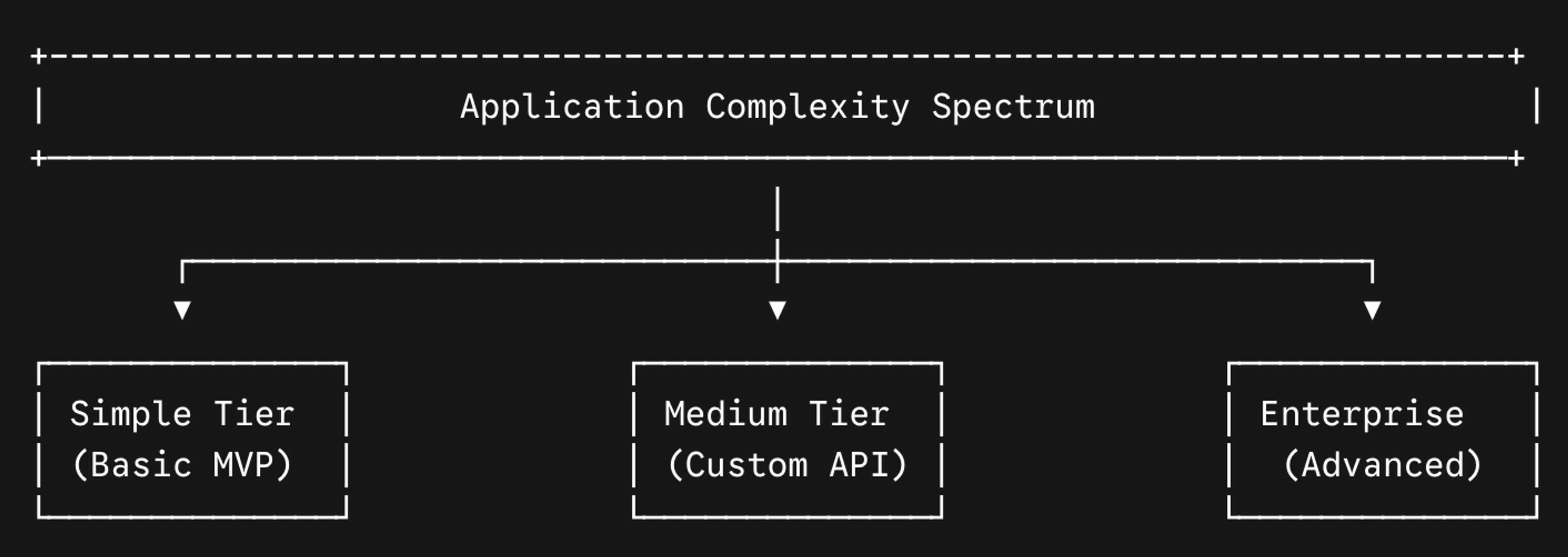
1. The Core Functional MVP (Simple Tier)
A standard Minimum Viable Product includes basic UI components, standard user authentication layers, single-channel profile settings, and simple data queries. These builds typically require less upfront resource allocation and focus on fast validation. To review standard startup investment benchmarks, see our strategic breakdown on the Cost of Building a SaaS Product.
2. Deep Platform Integration (Medium Tier)
Medium complexity apps include custom third-party API integrations, complex real-time notification engines, local offline data storage networks, and custom dashboard visuals. Learn how we assemble these connected setups on our Web Application Development Company workspace.
3. Scalable Enterprise Architectures (Advanced Tier)
Enterprise applications require heavily isolated multi-tenant structures, deep background synchronization tasks, real-time data streaming, and advanced security configurations. For projects involving automated multi-agent tasks, explore our engineering frameworks at our Agentic Workflow Development solutions workspace.
Key Core Technical Cost Drivers
When calculating a technical budget, engineering managers must account for three primary structural factors:
Platform Compilation Selection
Choosing your underlying software architecture fundamentally alters engineering timelines. Building native apps means maintaining two independent codebases—Swift for Apple and Kotlin for Android. Alternatively, cross-platform frameworks use a single shared codebase to optimize initial resource allocation. Review our comprehensive evaluation on React Native vs Flutter 2026 to determine the right technical fit for your project.
Core Architecture and Backend Infrastructure
The visible interface is only a small part of the complete software system. A significant portion of your development budget is dedicated to building robust server logic, establishing secure database relations, and configuring real-time cloud networking layers. Discover our approach to balancing high-volume backend performance at our AI Development Company platform.
Post-Launch DevOps and Operational Maintenance
An application requires ongoing technical support after its initial launch. Engineering teams must budget for rolling platform upgrades (such as major iOS and Android updates), continuous security auditing, API monitoring, and cloud hosting infrastructure fees. These recurring operations typically account for 15% to 20% of initial development costs annually.
Aligning Technical Scope with Strategic Timelines
Managing development costs efficiently relies on using a structured, iterative launch methodology.
- Validating Early Concepts: Rather than building a massive system all at once, launching a targeted functional layout allows you to collect real user data safely. Learn how we accelerate these cycles via our MVP Development Company platform.
- Choosing the Right Channel: If your product team is deciding whether to launch an adaptive browser application or target mobile marketplaces first, consult our guide on Custom Website vs Web App: What to Build First.
Engineering Predictable Software with TechCirkle
Building an enterprise-ready mobile application demands precise engineering, robust data security, and clear financial transparency from the initial blueprint to the production rollout.
At TechCirkle, our elite software engineers, solution architects, and DevOps leads design scalable mobile ecosystems tailored to your exact business specifications. View our national capability standards through our App Development USA regional workspace, or reach out directly via our Contact Us portal to schedule a scoped technical consultation and detailed cost breakdown with our principal engineers today.