Elevating Patient Outcomes: Strategic Engineering in Healthcare App Development
Deploy secure, compliant mHealth platforms with our authoritative guide to healthcare app development. Learn how clinical AI engines, real-time telemetry, and HIPAA-hardened architectures revolutionize patient delivery.


The medical technology ecosystem has evolved past simple appointment schedulers and digital prescription pads. Modern mHealth ecosystems serve as highly integrated, life-critical operational runtimes. They connect patients, clinicians, and distributed medical hardware across one cohesive data space. To build software in this domain, engineering squads must manage high-concurrency real-time networking, specialized wireless data streams, and strict regulatory guardrails.
Transitioning a medical idea into a reliable, enterprise-grade mobile system requires shifting from standard data storage models to a secure, decoupled architecture. At TechCirkle, we work alongside pioneering hospital groups, life science firms, and health tech startups to build custom digital products via our dedicated Mobile App Development Services.
Infusing Intelligent AI into Modern Clinical Workflows
Artificial intelligence has grown from an experimental asset into a core requirement for high-performing medical applications. Modern healthcare app architectures do not simply display patient data—they actively analyze it to assist clinical decision-making.
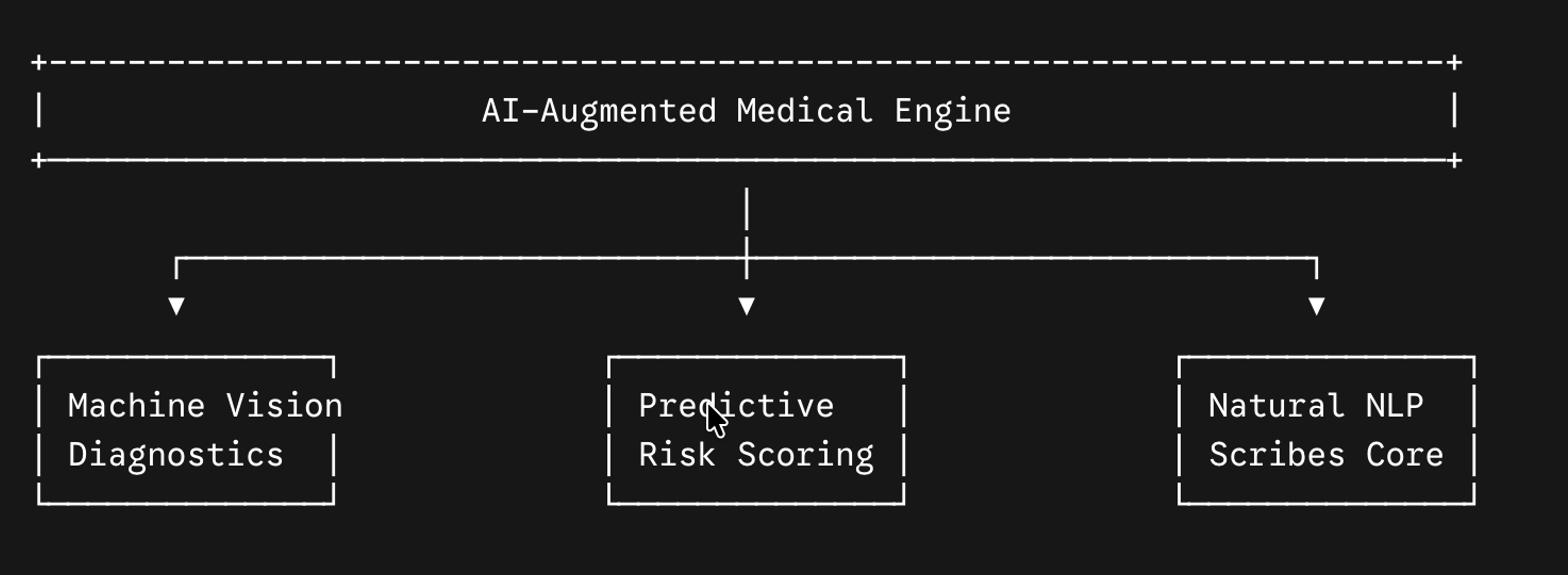
- Computer Vision and Diagnostic Support: Modern healthcare platforms use advanced optical models to scan clinical imagery or dermatological updates instantly. These systems flag potential concerns for radiologist validation, shortening diagnostic timelines. To see how these automated pipelines process high-volume parameters, check out our Machine Learning Development Company portal.
- Predictive Patient Risk Alerting: By channeling continuous biometric data from smart wearables through lightweight background loops, AI systems can predict critical health drops hours before symptoms manifest, helping to prevent emergency incidents.
- Automated Clinical NLP Scribing: Integrating intelligent natural language processing allows applications to capture spoken doctor-patient interactions securely. The system transcribes the conversation and populates Electronic Health Record (EHR) structures automatically, reducing provider burnout.
Essential Pillars of Enterprise Healthcare Applications
To avoid data exposure risks and technical overhead, enterprise engineering teams focus on three primary pillars during development:
1. Hardened Regulatory Compliance and Data Isolation
Medical applications must maintain absolute data privacy compliance (such as HIPAA in the United States or GDPR in Europe). This requires encrypting all health data while at rest and during transit, setting up strict role-based access tokens, and keeping detailed audit logs of every system access event. Learn how we configure these high-security web backends at our Web Application Development Company workspace.
2. High-Availability Telehealth Video Infrastructures
Modern clinical platforms depend on low-latency, cross-platform video links. Building these spaces requires WebRTC orchestration combined with fallback relays to provide sharp, encrypted video connections even across poor cellular networks. Discover how we design these unified corporate solutions at our Custom Application Development Company center.
3. Continuous Wearable and IoT Data Syncing
Medical applications rely on stable data feeds from connected hardware, including continuous glucose monitors, smart scales, and heart rate bands. Engineering squads use background bluetooth and cloud worker threads to capture, clean, and sync these data logs without draining user devices.
Aligning Healthcare Engineering with Strategic Lifecycles
Launching an enterprise mHealth application requires balancing deep technical features against predictable product launch timelines.
- Managing Early Budgets Safely: For product managers calculating initial system infrastructure costs, explore our roadmap on the Cost of Building a SaaS Product.
- Accelerating Clinical Validation: To test new medical workflows with a real user group safely before expanding into complex enterprise modules, see our strategy at our MVP Development Company platform.
- Choosing Your Core Architecture: If your product steering committee is evaluating whether to deploy an agile web platform or standard app store apps first, read our guide on Custom Website vs Web App: What to Build First.
Partner with TechCirkle for Elite Connected Health Engineering
Building a secure, compliant, and AI-enabled healthcare application demands specialized systems knowledge, tight data security practices, and precise user experience design.
At TechCirkle, our full-stack engineers, medical data specialists, and cloud architects construct high-performance digital solutions designed to protect data integrity and improve patient care. Explore our complete capabilities through our corporate About Us platform, or connect directly through our Contact Us portal to schedule an enterprise architecture evaluation with our principal healthcare engineers today.